
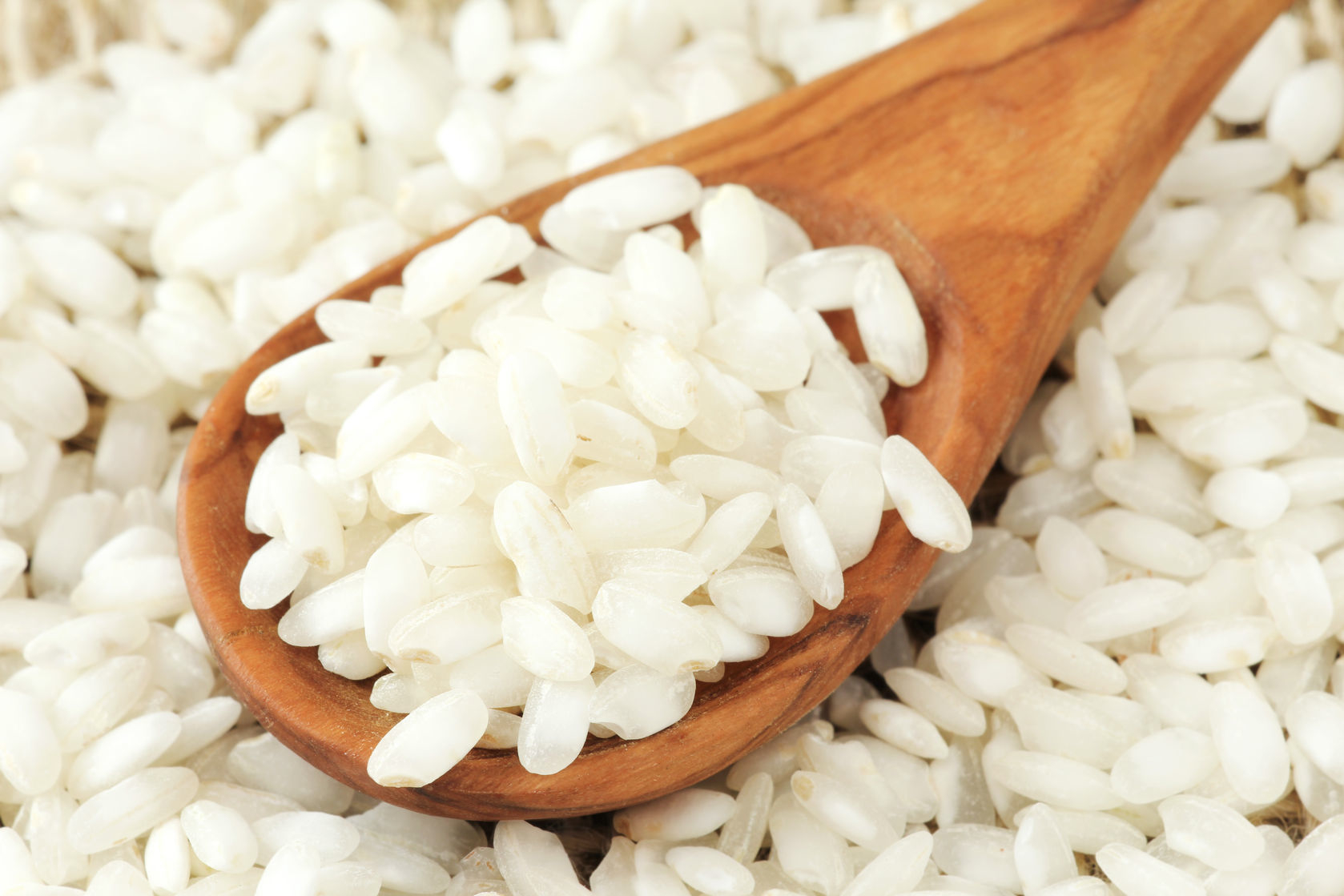
 It is grown in the land of Biella and Vercelli, in Piedmont, valuable areas for this rice cultivation, with the waters coming from Monte Rosa to irrigate the rice fields. For over a century this rice has been recognized as exceptionally stiff and little sticky in cooking. This quality has also been recognized by the European Community with the Protected Designation of Origin since 1992.
The compactness of its tissues, its higher translucency, a smaller size in volume, weight and length, allow the consumers to recognize the Baraggia variety. The Baraggia area of Piedmont is the land which from the Alpine foothills, below the massif of Monte Rosa, expands to the plains. The term 'Baraggia' has agricultural origins and has always been used in order to indicate not very fertile lands.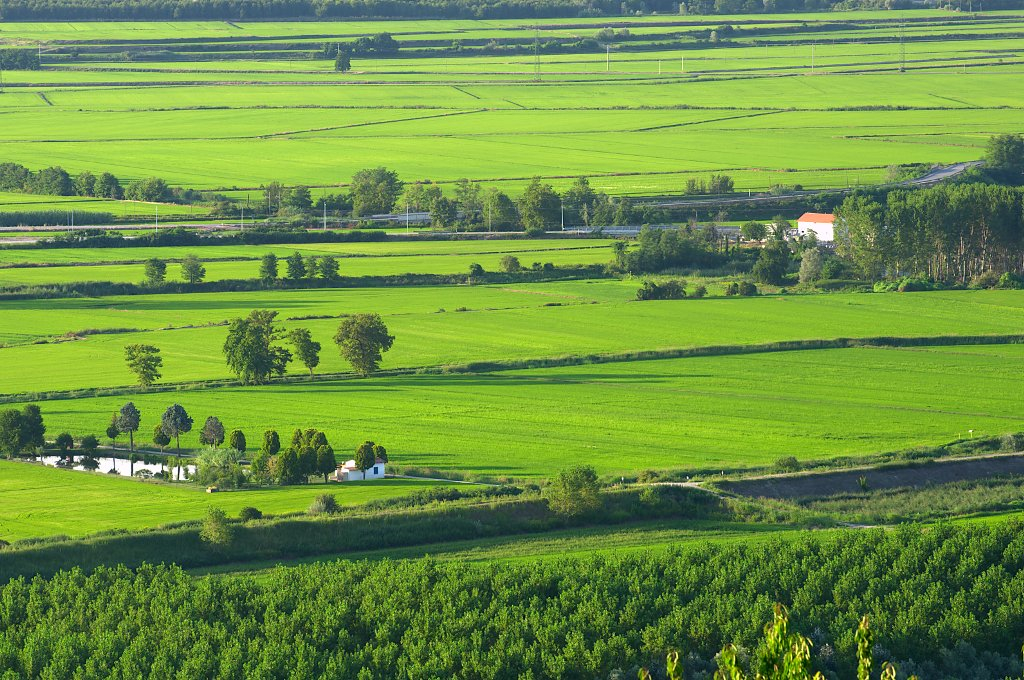
The varieties of Baraggia
Arborio is characterized by the greatest grains among the Italian varieties and it is excellent for preparing risotto.
Baldo variety is characterized by a good resistance to cooking. It is perfect for any type of preparation, especially sweets.
The most suitable variety for many traditional dishes of the Italian cuisine is Balilla variety. It is characterized by small, rounded grains, and, above all, a high absorption capacity.
Carnaroli variety is particularly suitable for the preparation of salads and risotto, while S. Andrea is particularly suitable for soups, rice with sauce, flans.
Loto variety is stiff and does not overcook easily. It is suitable for side dishes and risotto, while Gladio, characterized by a high stickiness, is perfect for side dishes and salads.
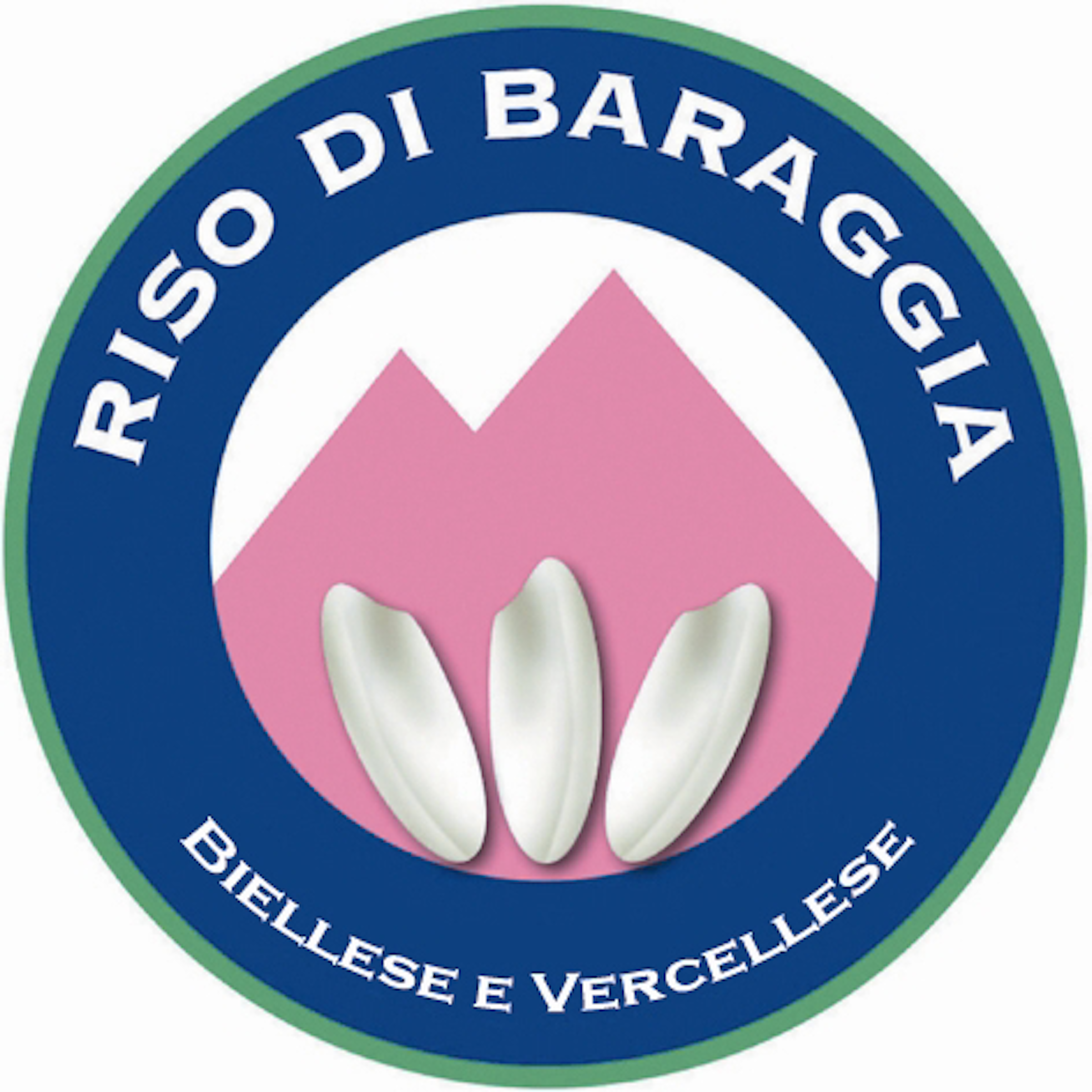 The DOP Rice of Baraggia Biellese and Vercellese, in order to be admitted for consumption, must show on its packaging an accurate description of the agricultural variety, and not of other similar ones, even if this is allowed by laws in force. The packages range from g 250 to kg 25 and must consist of bags, bags in either cloth or plastic material, hygienically suitable for containing food products. What must appear in typefaces on the packaging are the DOP mark of the European Community, the logo of the DOP Rice of Baraggia Biellese and Vercellese, in clearly distinguishable characters, as for both size and colour: the logo consists of the representation of three grains of white rice, while on the white background, inside the logo, a stylized image of the massif of Monte Rosa stands out.
Risotto alla Vercellese or Panissa
Red borlotti beans are used. They must be cooked for a long time with extra virgin olive oil, salt, and bay leaves. Risotto is prepared separately by frying chopped onion in a mixture of oil and lard, adding peeled tomatoes and rice (Arborio or Carnaroli). Finally, the beans are added, bringing everything to the end of cooking, stirring only once and possibly adding broth. It is recommended to combine this dish with a glass of Barbera red wine.
